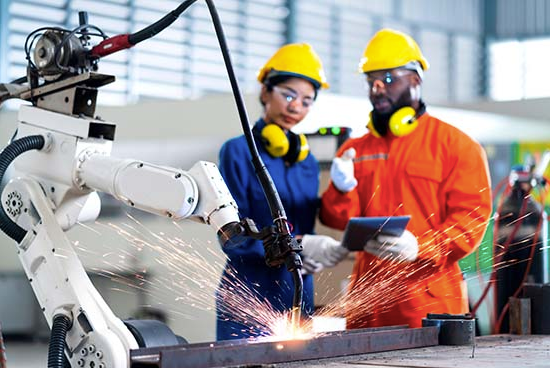
The integration of robots in various industries is reshaping workplace productivity. By automating repetitive tasks, robots allow human workers to focus on more complex responsibilities. This shift not only enhances efficiency but also introduces new dynamics in labor relations. However, the implementation of robotics is not without its challenges. Understanding these complexities is crucial for organizations aiming to leverage technological advancements effectively. What implications will this evolution hold for the future of work?
How Robots Enhance Efficiency in the Workplace
Robots significantly enhance efficiency in the workplace by automating repetitive tasks and optimizing processes.
Through robotic collaboration, organizations can streamline workflow, ensuring that human workers focus on higher-value activities.
Task optimization achieved via robotics reduces error rates and accelerates production timelines, fostering an environment where innovation can thrive.
This synergy between humans and machines cultivates a more productive and liberated workforce, promoting operational freedom.
The Advantages of Automation for Employee Productivity
While many organizations grapple with the challenge of enhancing employee productivity, the implementation of automation technology presents a compelling solution.
Automation streamlines repetitive tasks, allowing employees to focus on higher-level functions, thereby improving employee satisfaction. Additionally, it encourages skill development through exposure to advanced technologies, fostering a more capable workforce.
Ultimately, automation enhances productivity by empowering employees to engage in more meaningful work.
Potential Challenges in Implementing Robotics
How can organizations effectively navigate the complexities associated with the implementation of robotics in the workplace?
Key challenges include potential job displacement and high integration costs, which may deter investment.
Organizations must evaluate workforce readiness and develop strategies to mitigate adverse effects, ensuring a balanced approach.
Addressing these challenges is crucial for successful robotics adoption, fostering a productive and harmonious work environment.
See also: la-gazettedupmu
Future Trends: The Evolving Role of Robots in Work Environments
As organizations confront the challenges of robotics implementation, they must also recognize the transformative potential these technologies hold for future work environments.
Collaborative robots are poised to enhance workforce integration by performing repetitive tasks alongside human workers, thus improving efficiency and productivity.
This symbiotic relationship will redefine roles and responsibilities, fostering a more flexible and innovative workplace that empowers individuals while leveraging robotic capabilities.
Conclusion
In conclusion, the integration of robots in the workplace is akin to introducing a sophisticated engine into a well-oiled machine, significantly enhancing its performance. A study by McKinsey & Company revealed that automation could increase productivity by up to 40% in various sectors. However, just as a high-performance engine requires skilled mechanics, successful implementation of robotics necessitates workforce adaptation and training. Thus, the collaborative synergy between humans and robots promises to revolutionize productivity and redefine workplace dynamics.


 By
By